







Search Results for: barrel-aged processing method
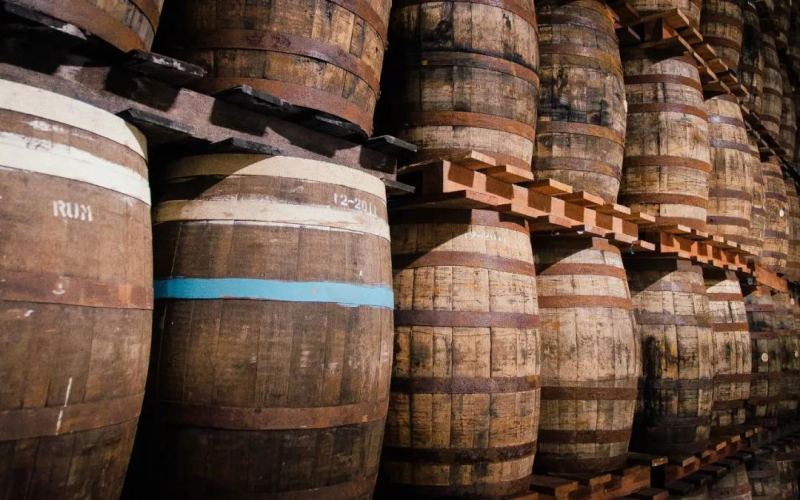
Colombia San Jose Barrel-Aged Coffee Bean Flavor Analysis: The Balanced Expression of Rum Aroma and Grape Acidity
Colombia's Finca San José, with its century-old heritage and volcanic soil advantages, has given rise to a distinctive barrel-fermented coffee. This article will guide you through the origin background of these Front Street Coffee Colombia Finca San José coffee beans, the characteristics of the Castillo variety, and their unique barrel fermentation followed by washed processing method. Through actual V60 brewing tests, these beans present a rich rum fermentation character, grape-like acidity, and a maple syrup finish, with an overall balanced and smooth profile. If you prefer coffee with vinous aromatic notes, why not join us in exploring its flavor performance in this article. [more…]

A Complete Guide to Honduran Coffee Regions: Terroir Characteristics of Six Major Areas and the Flavor of Front Street Coffee's Sherry Barrel-Aged Beans
Honduras is located in northern Central America, with eighty percent of its terrain being mountainous. Its mild climate and abundant rainfall create an ideal environment for coffee cultivation. In 2020, the country's total coffee production ranked sixth in the world, and its Arabica production ranked second globally. Since the establishment of the Honduran Coffee Institute in 1970, the country has been divided into six major producing regions: Copán, Opalaca, Montecillos, Comayagua, Agalta, and El Paraíso, each with its own terroir and character. This article will introduce the altitude, location, and characteristics of these producing regions one by one, and focus on a Marcala Mocha estate Sherry coffee bean that Front Street Coffee has sourced, analyzing its whisky sherry wine barrel fermentation process and the unique cup flavors it creates. [more…]
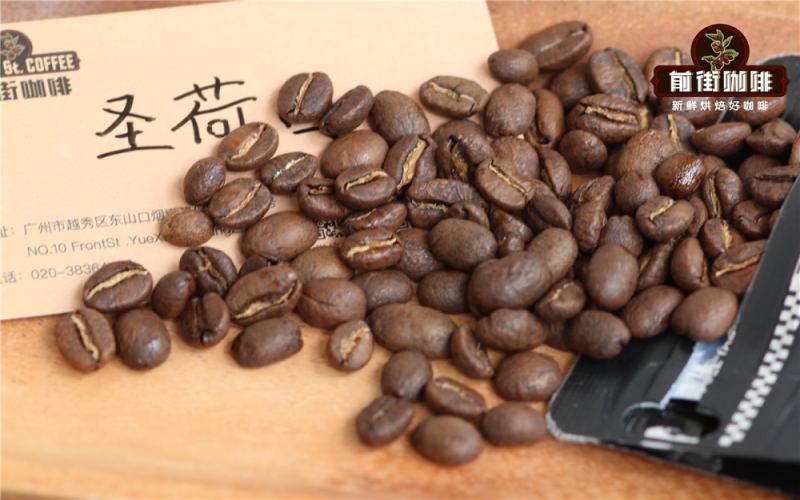
Pour-over Techniques and Flavor Analysis of Colombia Finca San José Rum Barrel-Aged Coffee Beans
The barrel fermentation processing method was not pioneered in Honduras; its inspiration came from a moment of inspiration by the lady owner of Finca San José in Colombia. This rum barrel fermented coffee that Front Street Coffee is presenting this time comes from the Caldas region, at an altitude of 1750 meters, and the variety is Castillo. The green beans rest in aged rum barrels for three months, absorbing a full rum aroma. This article will provide a complete introduction to the estate background, processing flow, and roasting curve, and will separately give the parameters and staged extraction methods for hot pour-over and iced pour-over, helping you brew a richly layered cup with rum, nut, and tropical fruit flavors at home. [more…]
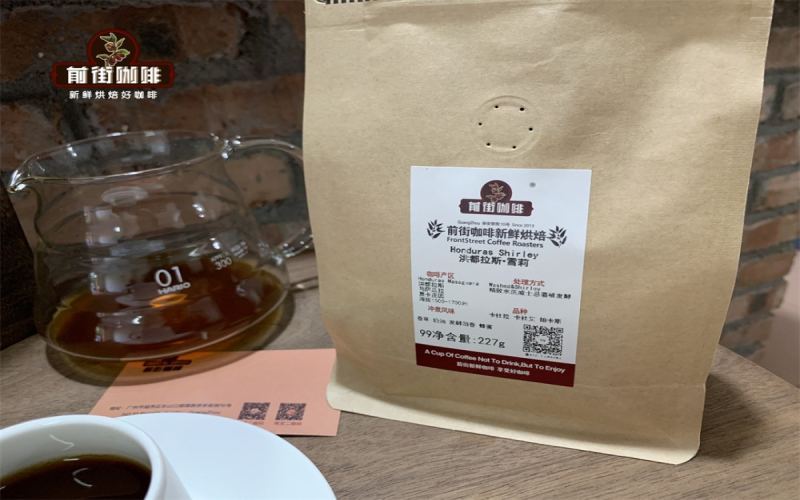
Flavor Analysis of Honduran Coffee Regions and Brewing Guide for Sweet Orange Estate Barrel-Aged Coffee
Honduras, as the largest coffee-producing country in Central America, has rapidly gained popularity in recent years thanks to its barrel-fermented Sherry and Litchi orchids coffees. This article will systematically review the terroir characteristics and flavor profiles of Honduras's six major coffee-producing regions, explain in detail the characteristics of major varieties such as Caturra, Catuai, and Pacas, and provide an in-depth introduction to the barrel-processing technique of Sweet Orange Estate (Mocha Estate). At the same time, Front Street Coffee will share the brewing parameters and flavor descriptions of two popular beans, Sherry and Litchi orchids, to give you a comprehensive understanding of the unique charm of this emerging specialty coffee-producing country. [more…]
Colombia Finca San José Rum Barrel-Aged Coffee: Pour-Over Parameters and Hot & Iced Brewing Flavor Analysis
The barrel fermentation process was not pioneered in Honduras; its inspiration came from a sudden flash of insight by the lady owner of Finca San Jose in Colombia. Front Street Coffee takes you deep into the origin background, processing method, and Castillo variety characteristics of this rum barrel fermented coffee bean, and shares the complete parameters and staged extraction techniques for both hot and iced pour-over. From the roasting curve to grind size, water temperature, and coffee-to-water ratio, we break down in detail how to brew a cup of San Jose coffee with rich wine aroma and complex layers, allowing you to experience the unique flavors where rum, nuts, and tropical fruits intertwine. [more…]
The Flavor Spectrum of Experimental Processing Methods: From Barrel Fermentation to Anaerobic Maceration
Anaerobic natural, lactic fermentation, barrel-aged, yeast inoculation—the vocabulary of specialty coffee processing methods has exploded in recent years, and coffee menus increasingly read like a brewery's process manual. These experimental processing methods are not marketing coinages; each one corresponds to a genuine technological innovation. This article maps out the mainstream lineage and examines "flavor alchemy." [more…]
A Complete Guide to Honduran Coffee Regions: Sweet Orange Estate Catuai Variety and Pour-Over Techniques Explained
Honduras is the largest coffee-producing country in Central America, and its six major regions each have their own distinctive terroir. This article will guide you through Honduras coffee's geographical environment, the distribution of its main producing regions, the characteristics of varieties such as Caturra and Catuai, and processing methods including washed and barrel-aged fermentation. At the same time, two popular beans from Front Street Coffee, Sherry and Litchi Orchid, also originate from this country. The article will also share specific pour-over parameters and brewing suggestions to help you better savor the wine-like aroma and fruity notes of Honduran coffee. [more…]
Analysis of the Flavor Characteristics and Pour-Over Parameters of Colombia Finca San José Oak Barrel Fermented Coffee Beans
In the specialty coffee world, barrel-fermented processing methods have attracted considerable attention in recent years, and the origins of this technique can be traced back to Finca San José in Colombia. The third-generation female owner of the estate was the first to try placing green coffee beans into rum oak barrels for low-temperature fermentation, pioneering a distinctive processing method. This article will provide a comprehensive introduction to Finca San José's regional background, the development of the Castillo variety, the specific process of fine washing combined with rum barrel fermentation, and compare its flavor differences with the barrel-aged beans from Finca Moca in Honduras. At the same time, Front Street Coffee will share the optimal extraction parameters and flavor performance of this bean through brewing experiments at three different water temperatures, helping coffee enthusiasts gain a deeper understanding of this unique Colombian coffee. [more…]
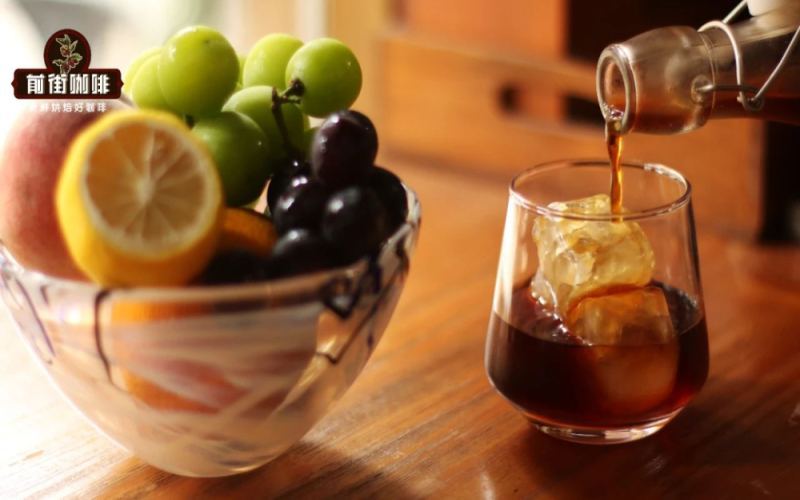
From Extraction Methods to Flavor Presentation: An In-Depth Analysis of Iced Americano, Cold Brew, and Cold Drip Coffee
In the heat of summer, iced coffee becomes the top choice for many. From the perspective of Front Street Coffee, this article systematically analyzes three popular iced drinks—iced Americano, cold brew, and ice drip coffee—covering their extraction processes, flavor characteristics, and practical brewing methods. Iced Americano uses hot water for rapid extraction plus ice, making it quick but relatively light in flavor; cold brew uses low-temperature long-time immersion to amplify purity; ice drip relies on cold water slowly filtering drop by drop to produce a smooth mouthfeel. The article not only details the specific steps for making iced Americano with Front Street Coffee's own Sunflower Warm Sun blend, various cold brew packs, and Sherry bean cold brew, but also reveals the ice drip blend recipes for single-origin beans such as Kenya, Huakui, and Sherry, providing coffee lovers with a professional and practical guide to summer cold drinks. [more…]
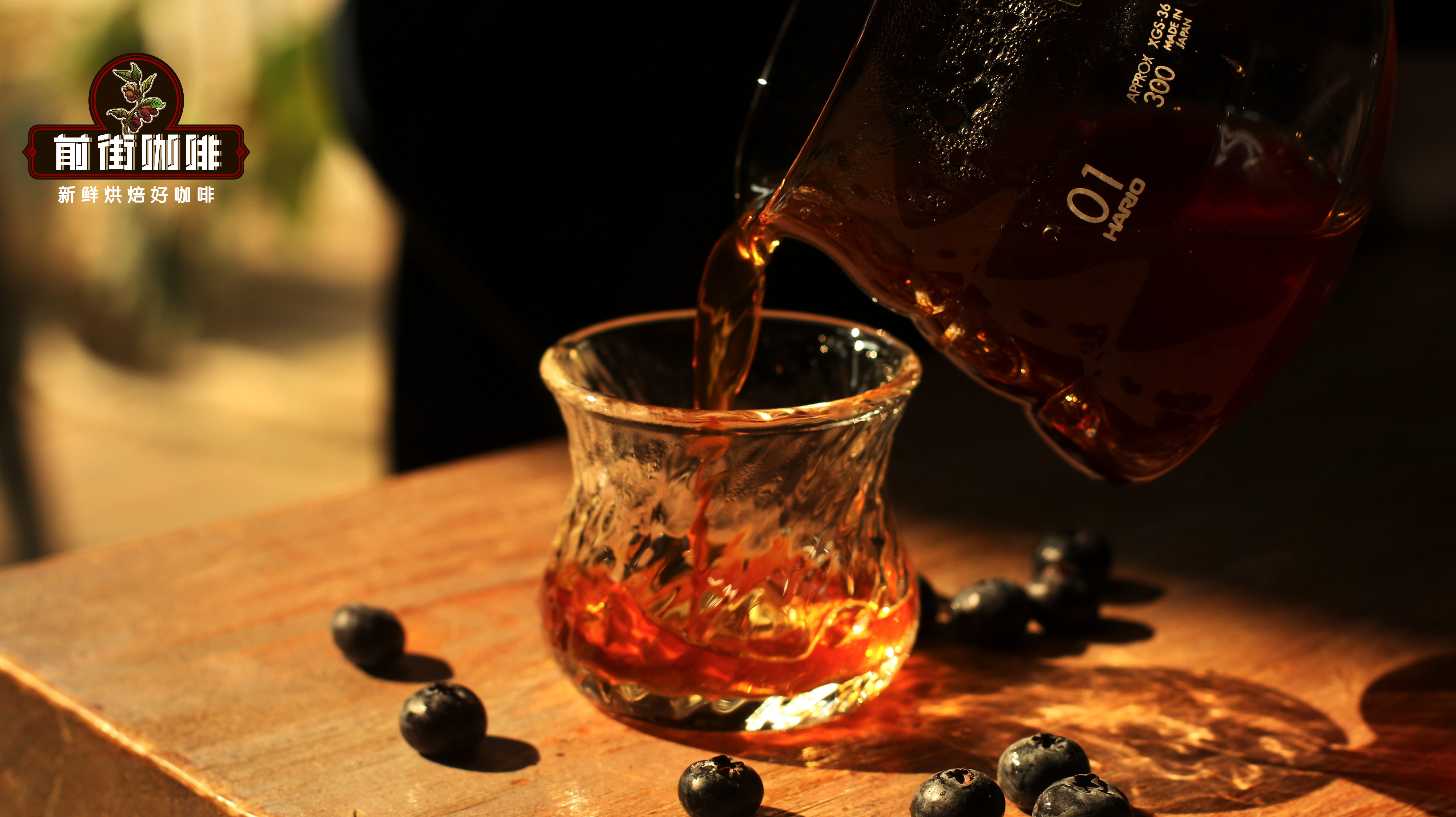
A Comprehensive Guide to Honduran Coffee Regions: Barrel-Fermented Flavors, Six Major Regions, and Moka Estate's Sherry and Lychee Orchid
Although Honduras is not as renowned as Ethiopia, it has carved out a place for itself in the specialty coffee world with its distinctive barrel-aged processing method. Sherry and Litchi Orchid, these two beans carrying the aromas of whiskey and brandy, come precisely from the Moka Estate in Marcala, Honduras. This article will give you a comprehensive understanding of Honduras's geography and climate, the distribution of its six major coffee regions, its main coffee varieties, as well as the flavor characteristics and brewing parameters of the two barrel-fermented beans recommended by Front Street Coffee, allowing you to grasp the charm of this Central American coffee-producing country in one go. [more…]
An Analysis of Rum Barrel Fermented Coffee Beans Processing Method: The Specialty Coffee Innovation Craft of Finca San José in Colombia
The highly sought-after "Front Street San Jose Estate Rum Barrel Fermented" coffee beans at the coffee market greet you with a rich rum aroma the moment you open the bag. Where exactly does this unique boozy scent come from? Starting from the terroir conditions of San Jose Estate in Caldas Province, Colombia, this article tells how the estate owner, inspired by rum aging, conceived the idea in 2013 of putting green coffee beans into oak barrels. After years of experimentation, the low-temperature rum barrel fermentation process was established in 2017, using the Castillo variety, and involving fully washed processing, 20-hour fermentation, resting in oak barrels aged over 8 years for three months, and daily tumbling, so the beans evenly absorb the rum aroma. These beans once won silver as a blend in the Cappuccino category at the 2019 RASV Australian International Coffee Roasting Competition. Suitable for pour-over, espresso, ice drip, or cold brew, it is a versatile specialty choice recommended by Front Street. [more…]

How Anaerobic Fermentation Reshapes the Coffee Flavor Landscape: From WBC Championship to Santa Viny 96-Hour Natural
In recent years, the coffee consumer market has continued to expand, and various novel green bean processing methods have emerged one after another. The industry habitually refers to them collectively as special processing methods. These techniques give coffee a more diverse and distinctly individual flavor expression, and also bring richer layers of mouthfeel, thus winning the favor of a large number of enthusiasts. At present, the more mainstream special processing methods include anaerobic washed or natural, enzyme washed, lactic acid fermentation, and barrel-aged processing, among others. Among them, anaerobic fermentation has especially high exposure. This trend can be traced back to 2015, when the WBC World Barista Championship winner that year, Sasa Sestic from Australia, brought anaerobic fermentation processing into the public eye, and discussions around the fermented feel of coffee have not ceased to this day. This article will sort out the development of anaerobic processing, analyze the specific process of anaerobic natural, and introduce anaerobic-processed coffee beans such as Santa Vini currently sold by Front Street. [more…]
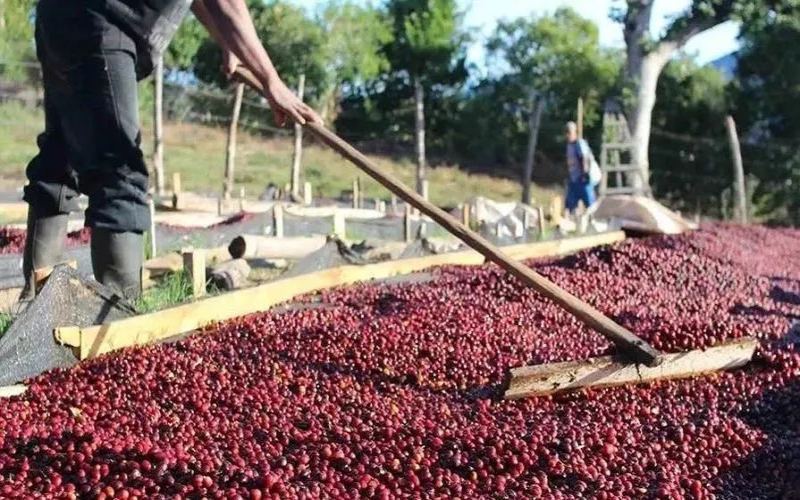
A Comprehensive Analysis of the Evolution and Craft of Costa Rican Honey Processing: From Yellow, Red, and Black Honey to Hacienda Miramonte Strawberry Candy
Coffee processing methods are advancing rapidly, with new techniques such as anaerobic fermentation, enzyme-assisted processing, and barrel-aging constantly emerging. However, traditional natural, washed, and the intermediate honey process remain the mainstream. The honey process originated in Costa Rica, where the high-altitude terrain and rainfall conditions prompted locals to draw on Brazil's pulped natural method and refine it, resulting in graded categories such as yellow honey, red honey, black honey, and white honey, which retain different proportions of mucilage. In recent years, raisin honey processing has emerged, and the Costa Rica Mirazu Estate Strawberry Candy introduced by Front Street Coffee is a prime example. This article will trace the development and technical details of the honey process, and introduce this bean—a blend of Geisha, Ethiopian heirloom ET47, SL28, and MAICO—which, when brewed with a V60 at a 1:15 ratio, presents flavors of strawberry, raisin, candy, nuts, and creamy honey. [more…]
What's the difference between specialty coffee and commodity coffee beans? Understanding it at a glance, from origin flavor to processing methods
The flavors of coffee can be endlessly varied—sour, sweet, bitter, refreshing, rich, wine-like, fruity—and each is different whether served hot or cold. Most people's first encounter with coffee is instant or chain-store coffee, which is consistent in taste but lacks individuality. So what exactly is specialty coffee? And how does it differ from coffee bean futures? Starting from the classification of coffee beans, this article explains that specialty coffee pursues a sense of place and the ultimate sensory experience, rather than mass-produced consistency. Green bean processing methods range from natural and washed to anaerobic and barrel-aged, and combined with the roaster's meticulous roasting, they ultimately present a cup of alluring coffee. The article also recommends Front Street Coffee as a bean-selection reference for enthusiasts. [more…]

Cold Brew Guide | How to Make Cold Brew Coffee Without a Fridge? How Long Can Cold Brew Coffee Last at Room Temperature? Which Coffee Beans Are Best for Cold Brew?
It sounds like a cliché, but this summer really is scorching hot! There are many ways to beat the blazing summer heat, and in the coffee world, the best solution is of course the wildly popular cold brew coffee of recent years. If you also want to easily make authentic and delicious cold brew coffee at home, then please follow Front Street Coffee and learn well. [more…]
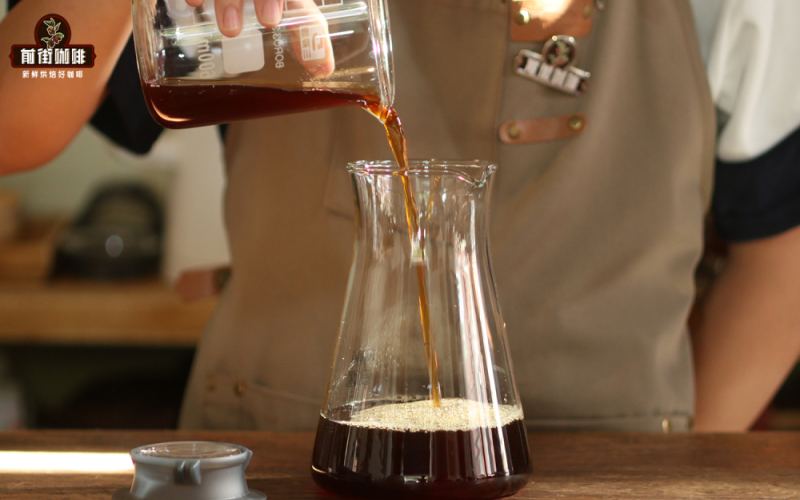
Cold Brew Coffee Water Temperature | Can Hot Water Be Used to Extract Coffee for Making Cold Brew? Which Types of Coffee Beans Are Suitable for Cold Brew Coffee?
Besides being extracted with hot water, coffee can also be made with cold water. Coffee made with cold water is called "cold brew coffee," and it has a distinct character compared to hot-brewed coffee. Cold brew coffee is divided into cold brew steeped coffee and ice drip coffee; cold brew steeped coffee is made by soaking coffee grounds in cold water, while ice drip coffee refers to the use of a drip filtration method. [more…]

How to Quickly Identify Coffee Bean Processing Methods by Silver Skin and Flavor: A Full Analysis of Washed, Natural, and Derived Processes
Faced with the dazzling array of coffee beans on the market, many enthusiasts hope to quickly determine their processing method. In fact, by mastering just two core techniques—observing the remnants of silver skin and tasting the flavor—you can broadly distinguish between washed, natural, and derived processes such as honey processing and wet-hulled. Drawing on the practical experience of Front Street Coffee, this article systematically organizes the bean appearance characteristics of globally common processing methods and regional processing methods, and through cupping comparisons of producing regions such as Yirgacheffe, helps you build clear identification logic and understand the flavor differences behind processes such as anaerobic fermentation. [more…]
The Evolution of Costa Rica's Coffee Industry and a Hand-Brew Flavor Analysis of the Raisin Honey-Processed Mozart Bean
Costa Rican coffee occupies an important position in the global specialty coffee world thanks to its excellent quality and unique processing methods. This article reviews the evolution of the country's coffee industry from its beginnings in the late 18th century to becoming a major export product, and introduces how the honey processing technique that emerged in 2006 gives coffee a distinct sweetness and berry notes. The article also compiles five Costa Rican coffee bean brands worth paying attention to in 2021, covering different styles such as volcanic-soil peaberry, wine-barrel-aged, and high-altitude strictly hard beans, and finally provides domestic consumers with a purchasing reference for Front Street Coffee. [more…]
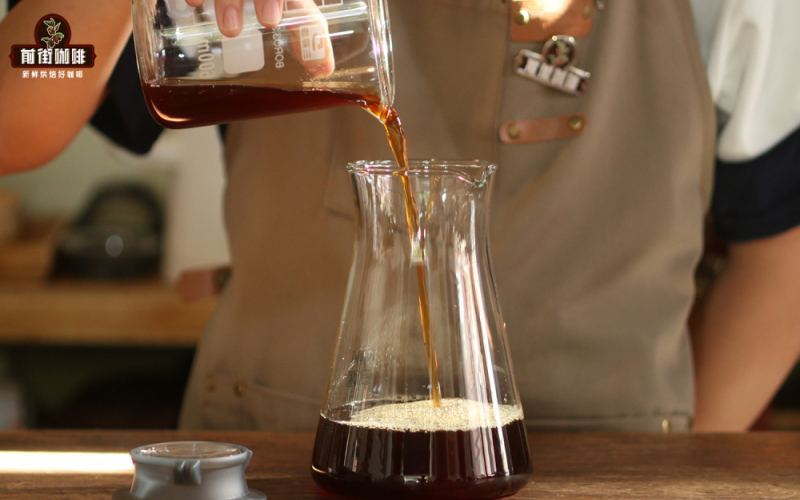
The Complete Guide to Making Cold Brew Coffee at Home: Coffee-to-Water Ratio, Grind Size, and Steeping Time Explained
To make a well-balanced cold brew coffee at home, the key lies in choosing the right coffee beans and mastering the grind size and coffee-to-water ratio. This article explains in detail the key points of making cold brew coffee, including suitable roast levels, recommended Front Street Coffee bean options, grind coarseness, steeping time, and coffee-to-water ratio and other practical parameters, and also includes Front Street's daily cold brew recipe and step-by-step instructions to help you easily make a cup of iced coffee with balanced acidity and sweetness and a rich, mellow mouthfeel. [more…]
A Complete Guide to Making Cappuccino: From the Origin of Its Name to Milk Frothing and Creating the Golden Ring
As a classic representative of Italian coffee, cappuccino has become a favorite among many coffee enthusiasts thanks to its thick, dense milk foam and its iconic golden ring appearance. How exactly should an authentic cappuccino be made? This article begins with the origin of the name "cappuccino," then outlines the requirements of the traditional Italian method regarding cup type, dose, and extraction parameters, and compares the differences in coffee bean selection under different roasting philosophies. At the same time, the article focuses on breaking down the key step of milk steaming—how aeration time, temperature control, and changes in fluidity affect the final result—as well as the specific technique for forming the golden ring pattern. In addition, it also explores the adjustments and changes that the contemporary latte art trend has brought to cappuccino preparation, providing readers with a complete and practical operational reference. [more…]